Conserving Wild Northern Bald Ibis
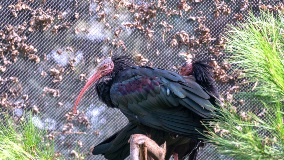
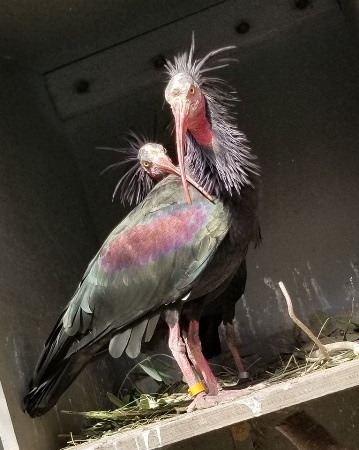
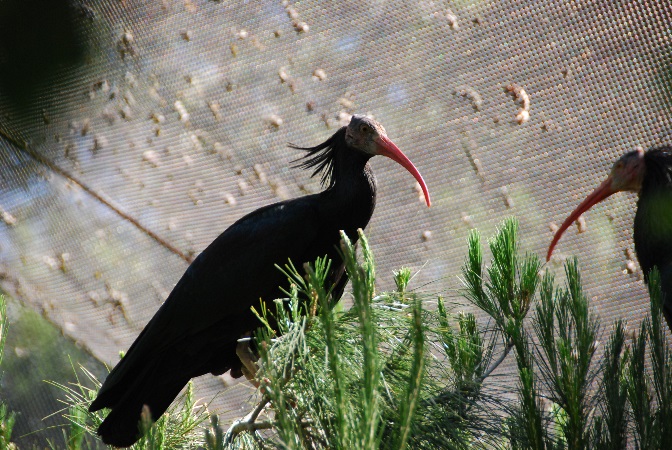
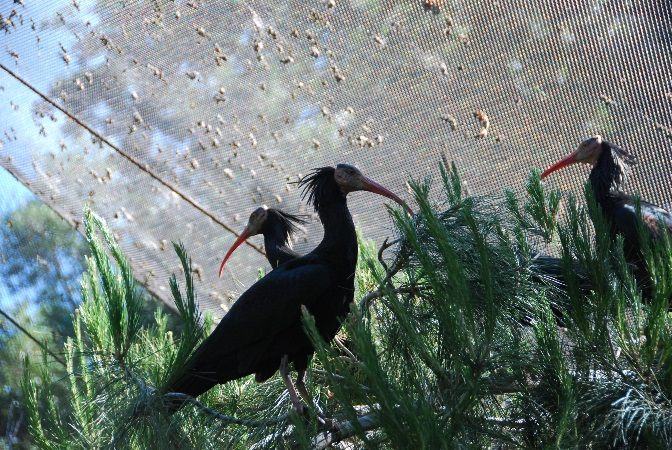
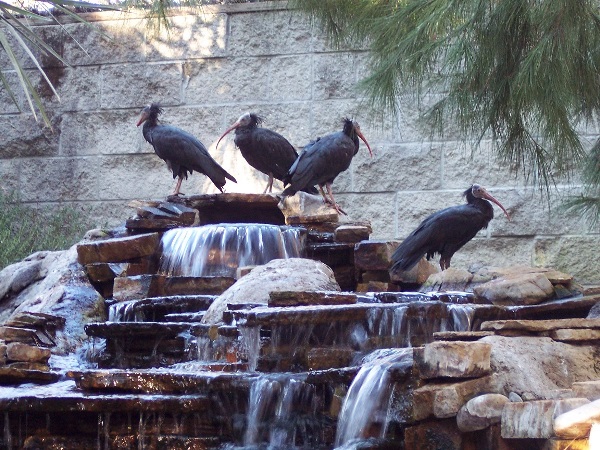
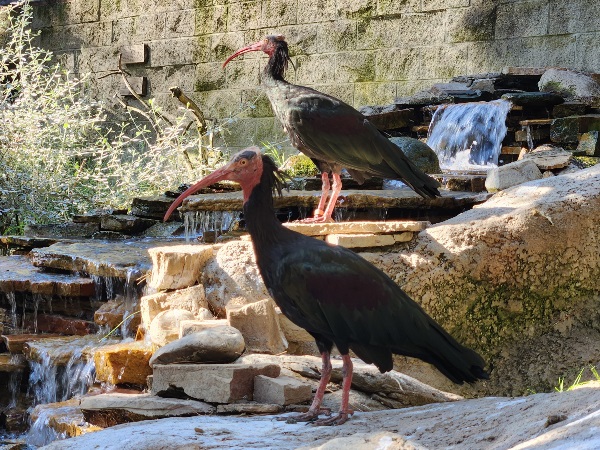
The northern bald ibis is a long-legged wading bird with glossy black feathers. There has been a dramatic decline of their wild population numbers over the last 25 years. They are categorized as Endangered [EN] by the World Conservation Union’s red list for threatened species. There are approximately 250 mature birds living in the wild in two sub-populations.
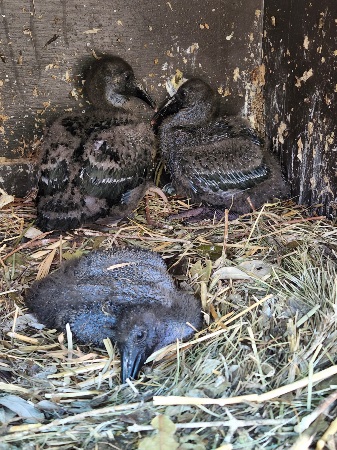
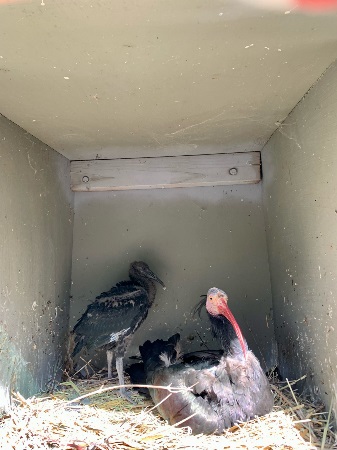
Country Occurrence:
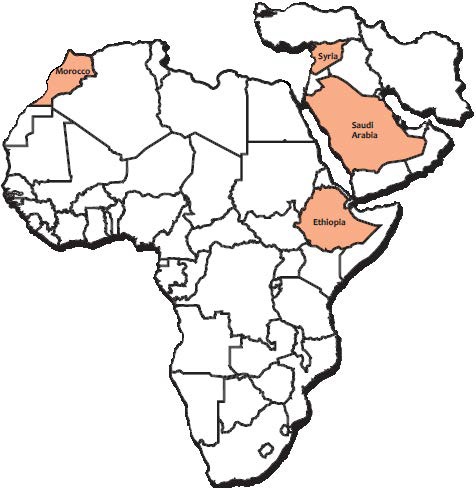
Native: Ethiopia, Morocco, Syria, Saudi Arabia
Extinct: Israel, Senegal, Sudan, Switzerland
Reintroduced: Turkey
Major Threats
- Unidentified natural causes had caused their decline
- Threats are having an effect on different populations:
Morocco: Urbanization and farming
Syria: Hunting, overgrazing, collection of firewood
Turkey: Poisoning and pesticide utilization
CONSERVATION ACTION PLANS
Morocco at Souss-Massa National Park:
- Nesting and feeding areas are protected
- Provision of freshwater near breeding colonies
- Organization of monitoring and research involving the local community
Syria through the Palmyra Project:
- Organization of monitoring and research involving the local community
- 4 birds were satellite tagged
- Ibis breeding area was declared a protected area by the Syrian Ministry of
Agriculture and Agrarian Reform
In countries where ibises are regionally extinct:
Turkey:
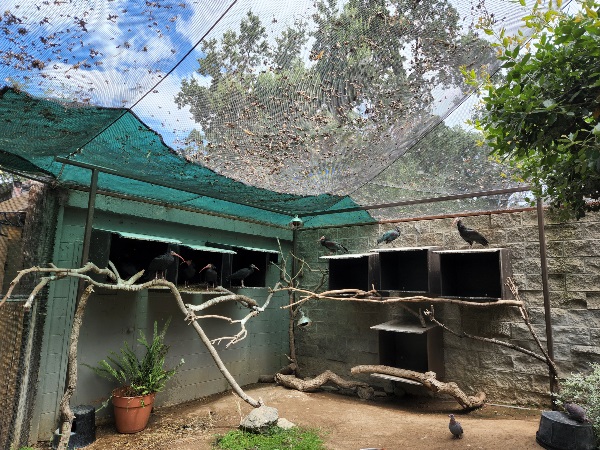
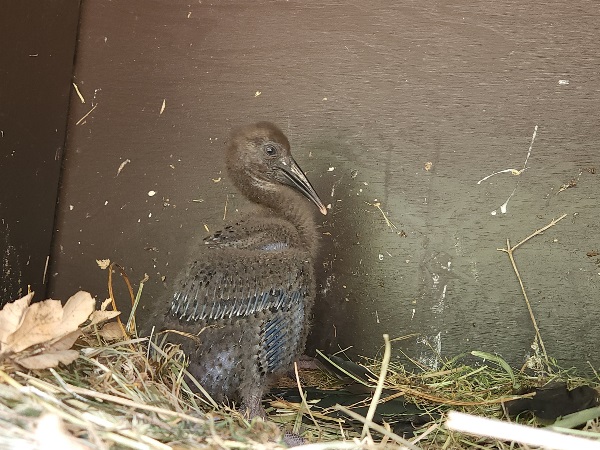
- A conservation breeding program setup for 150 birds with an aim of reintroducing them in the near future.
- Awareness programs are ongoing
Spain:
- A conservation breeding program raised 190 birds that were reintroduced in southern Spain across a 5-year period.
- Breeding pairs in the wild have been observed to have formed and a non-migratory colony is becoming well-established
- 30 ibises were introduced into two wild colonies in the Alps. Some of these wild ibises have participated in human-led migrations to Italy. The primary objective is to establish wild ibis colonies in Germany and Austria that will migrate and winter in Italy.