All about the Bobcat...
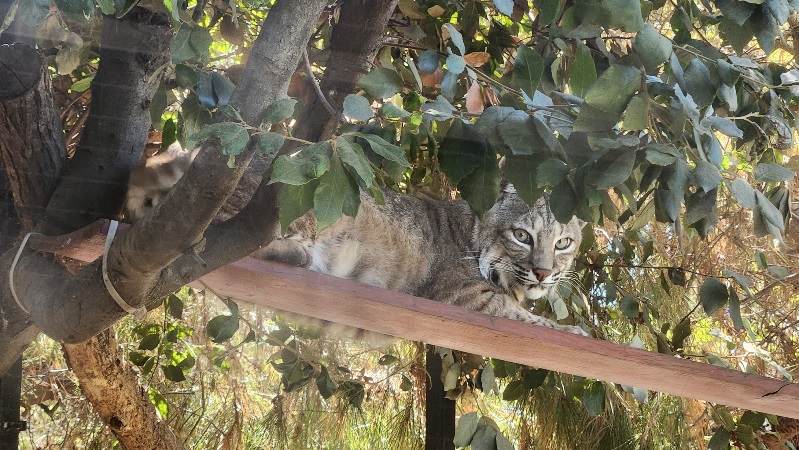
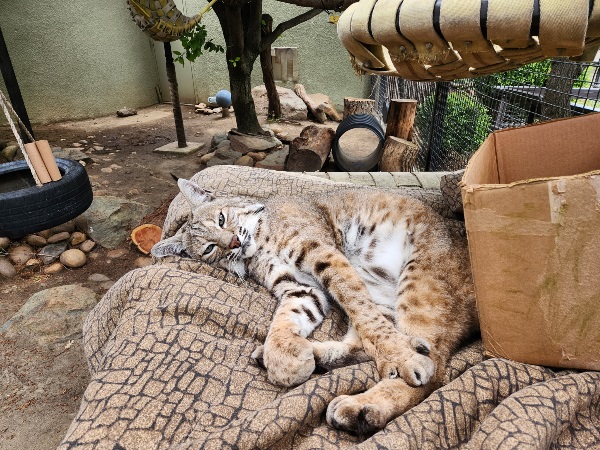
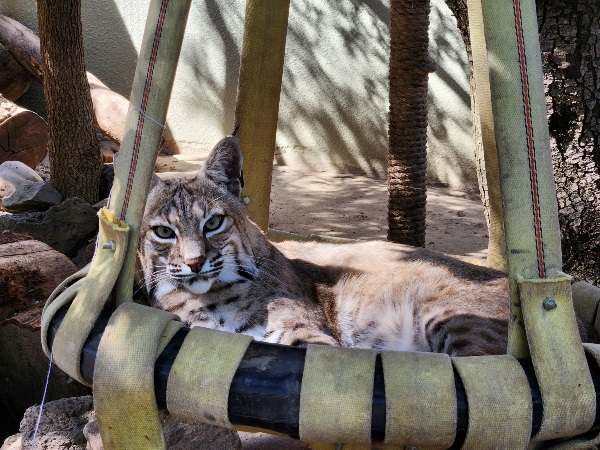
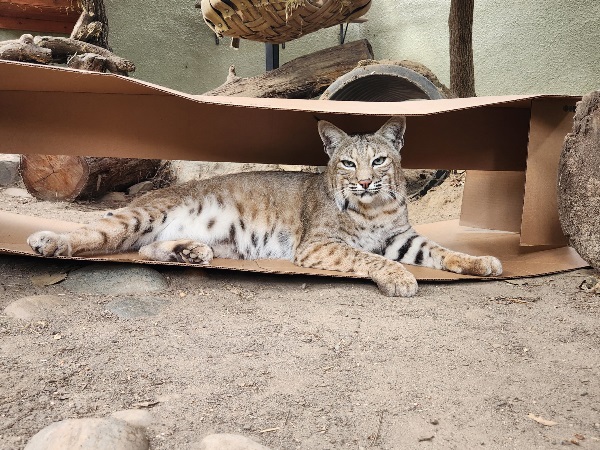
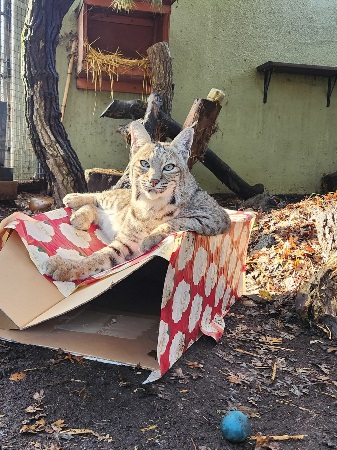
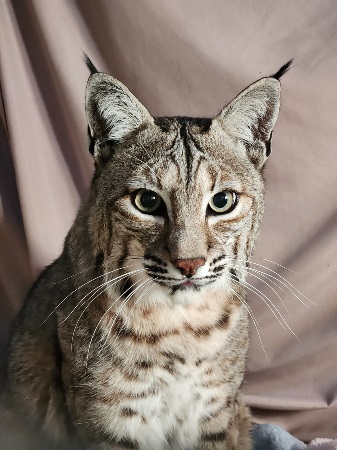
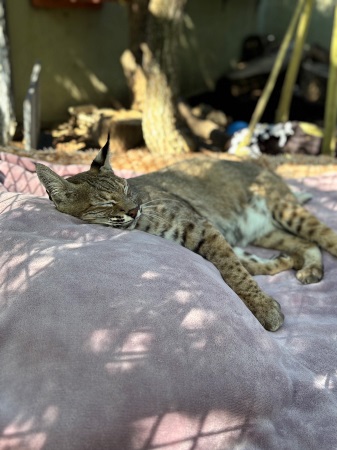
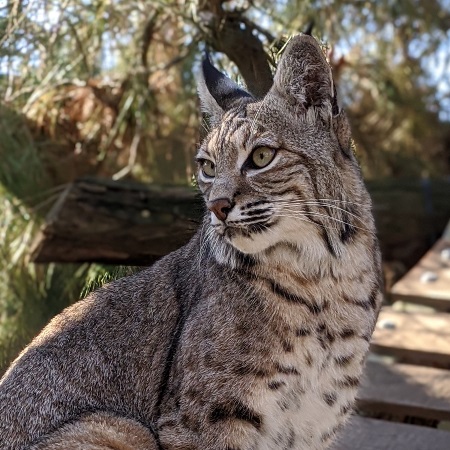
Bobcats are one of the largest species of small cats. They are light to dark brown in color with a creamish-white underbelly. They have black outlined, pointy ears, black marked faces, and their legs. Their whisker spots are also black. The color of their fur helps them to camouflage and blend into the background. Bobcats living in colder climates have thicker fur coats that keep them warm in the winter months. They are about 4 feet long and 2 feet tall. The females are smaller in size and weigh between 12 and 15 pounds while males can weigh up to 22 pounds. They have short stubby tails that give them their name. They have excellent night vision that helps them hunt at night. Their advanced sense of hearing helps them locate their prey.
Diet
Like other felids are obligate carnivores and feed on small birds, hares, rabbits, rodents, small deer, fish, and a range of invertebrates.
Habitat
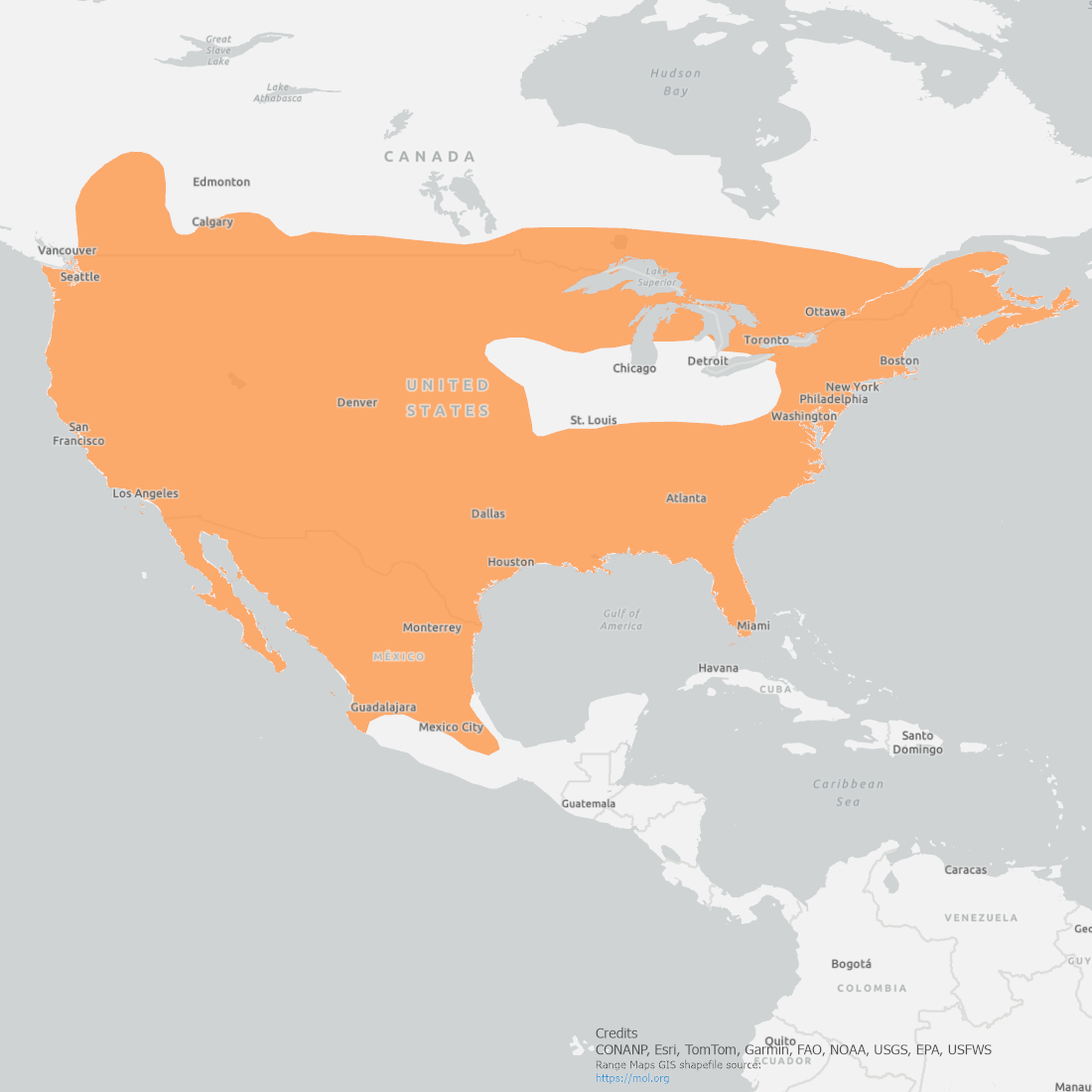
Bobcats are native to North America and range across southern Canada, the United States, and northern Mexico. They live in diverse habitats across their distributional range.
Behavior
Like other felids, bobcats live solitary lives pairing only during the breeding seasons. Both males and females maintain territories where they rest, hunt, and feed. They scent-mark the perimeters of their territories with their urine. The territories of females are smaller than males and the territories of several females are known to be located within the territory of one male.
Like other wild cats, Bobcats are either active around dawn and dusk (crepuscular) or only active at night (nocturnal). They hunt when their prey is either sleeping or resting. Bobcats are ambush predators and hunt their prey by hiding, stalking, and then pouncing when the prey is close enough for a successful hunt. They rarely vocalize and are only heard yowling or hissing during the breeding season.
Reproduction
During the breeding season, both males and females breed with several females and males respectively. Bobcat kittens are usually born in spring with two to six kittens born after a gestation period of 65 to 70 days. Females select a burrow, den, bush, or cave in which they give birth to their young where they can protect their young from predators. Several species such as coyotes, grey wolves, and mountain lions hunt both bobcat adults and kittens. Kittens wean when they are about 2 months old. While females sexually mature within a year, males mature when they are about 1.5 years old.
Like other felids, only female Bobcats care for their young. Young bobcats are known to live with their mothers for almost a year before they disperse. Since a large proportion of their behavioral repertoire is gained through learning, during this time, mothers train their young to hunt, defend their territory, and also have social skills.
Status In The Wild
Although Bobcats face threats of habitat encroachment through livestock farming and ranching, logging and wood harvesting, human urbanization, and hunting and trapping, the International Union for the Conservation of Nature (IUCN) have assessed their free-ranging populations to be unaffected by these pressure and have categorized them as Least Concern.