All about the Florida softshelled turtles...
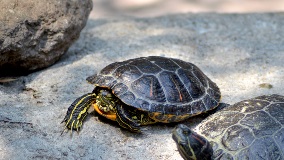
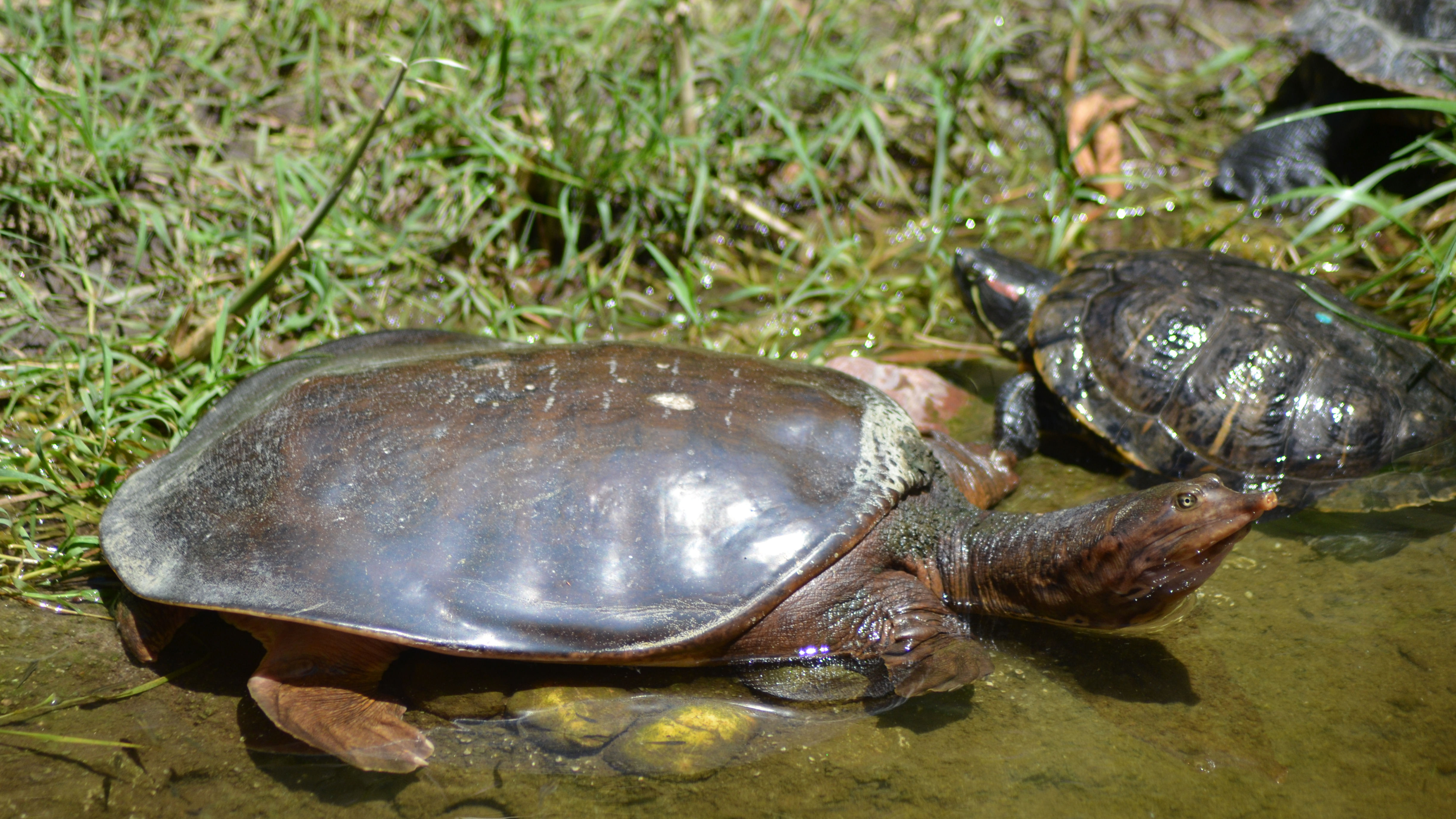
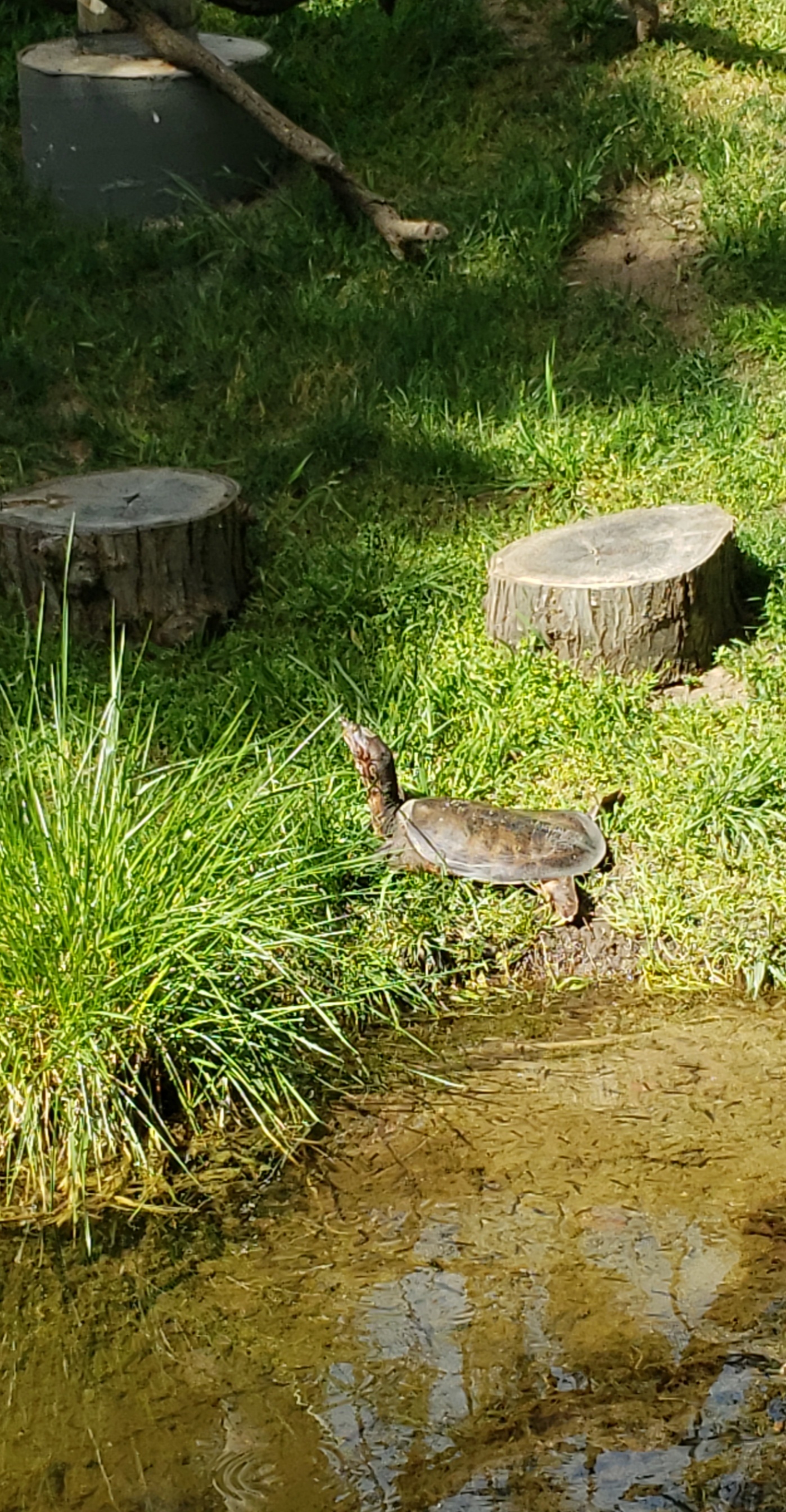
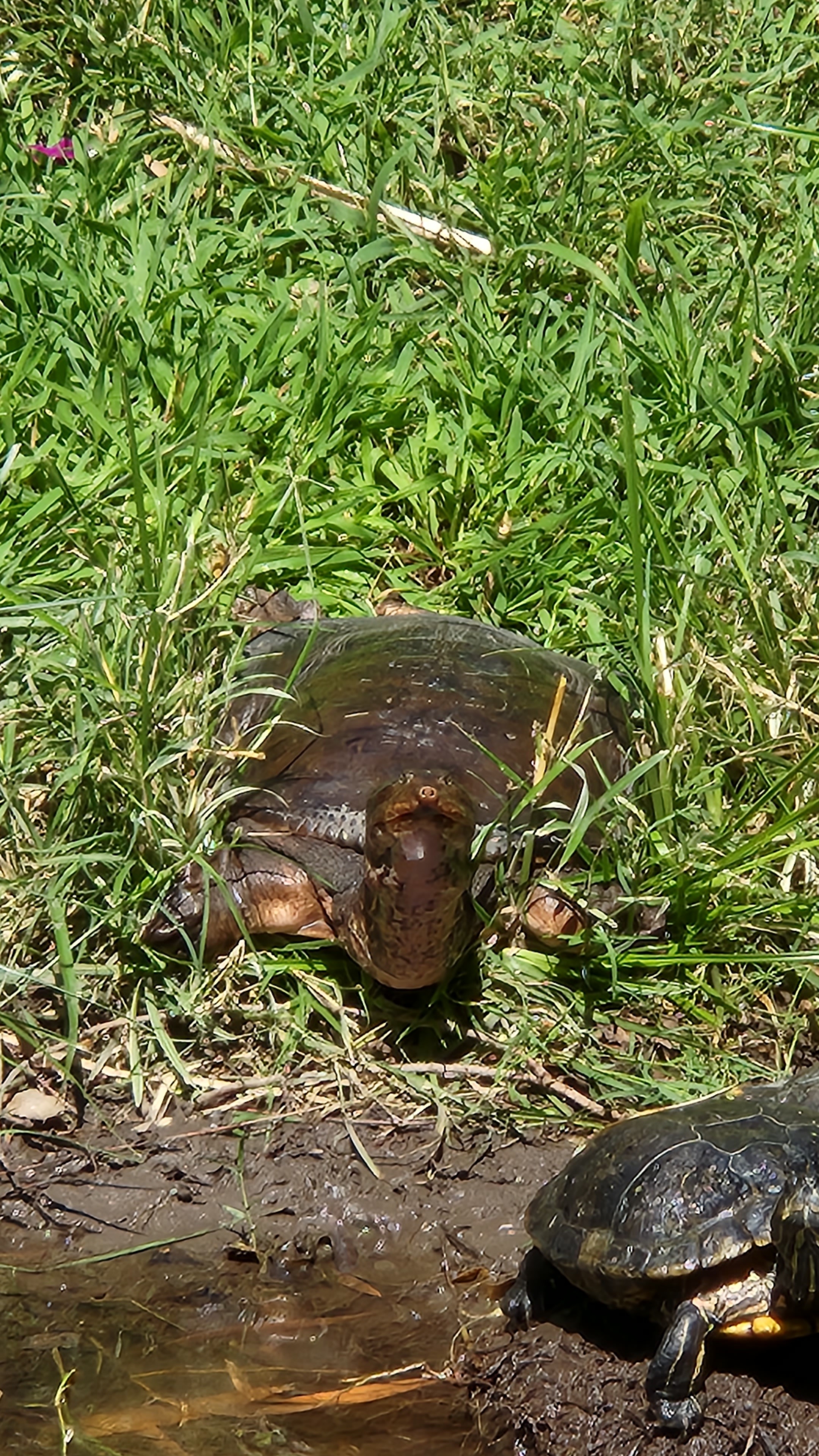
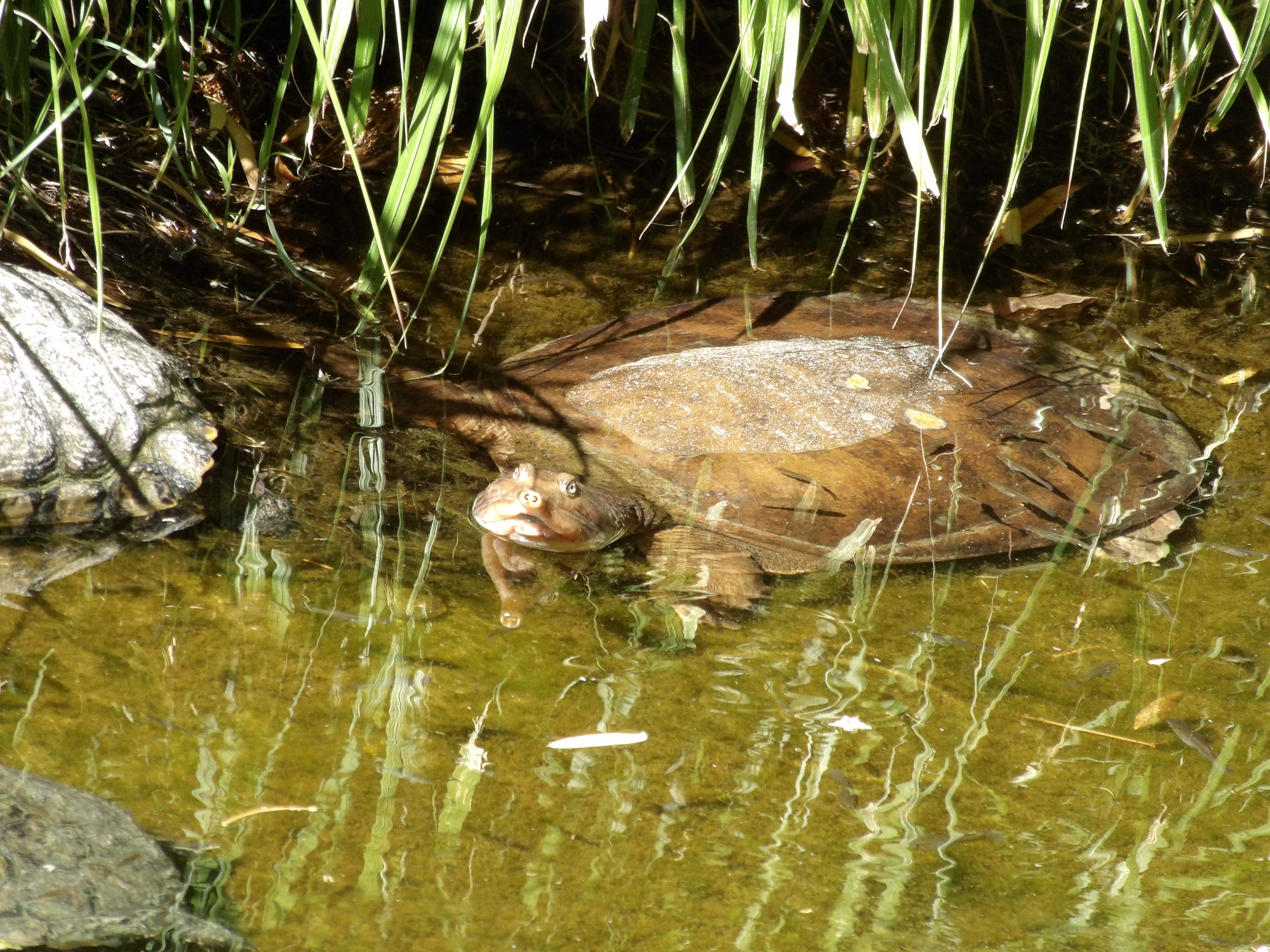
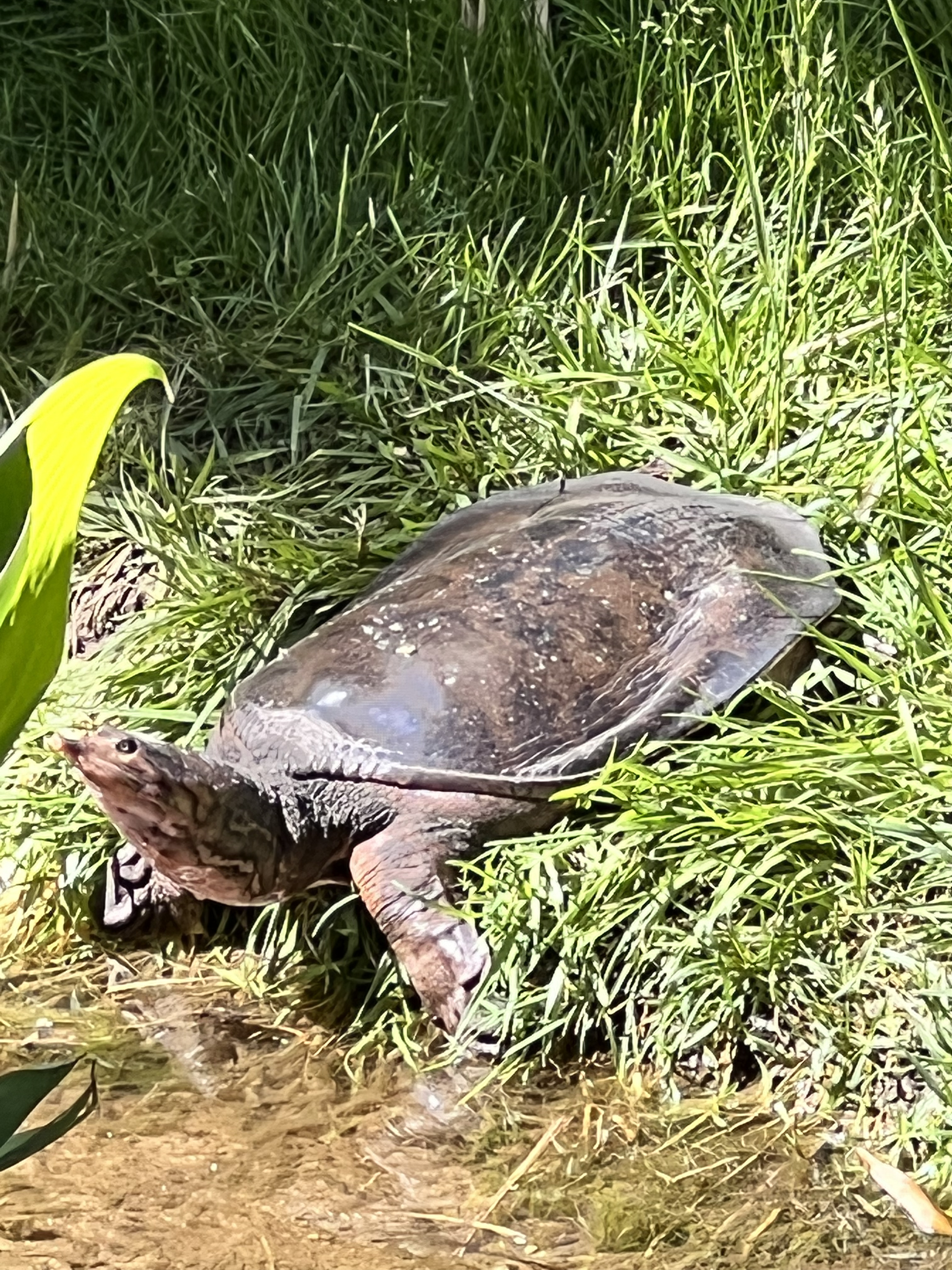
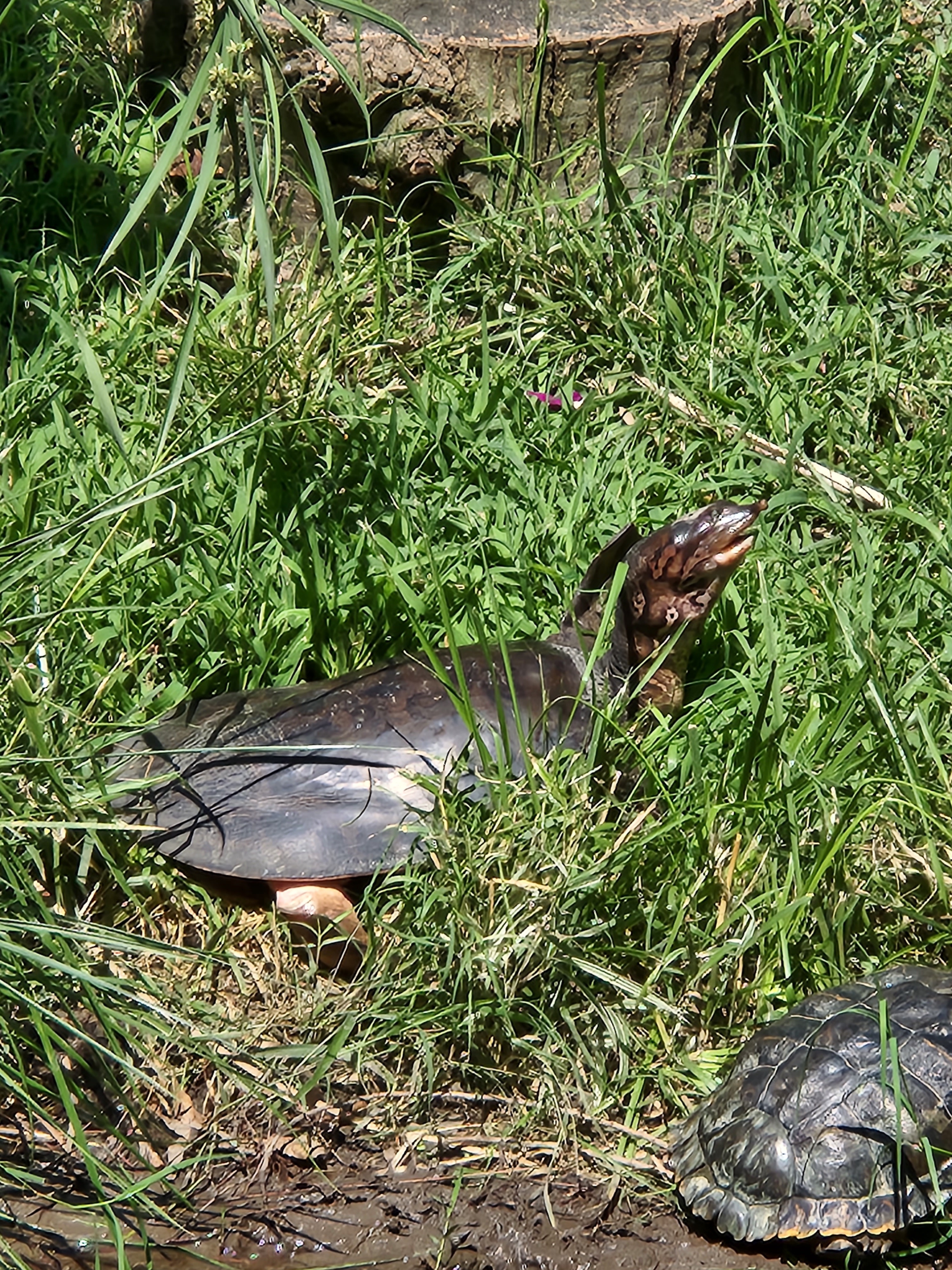
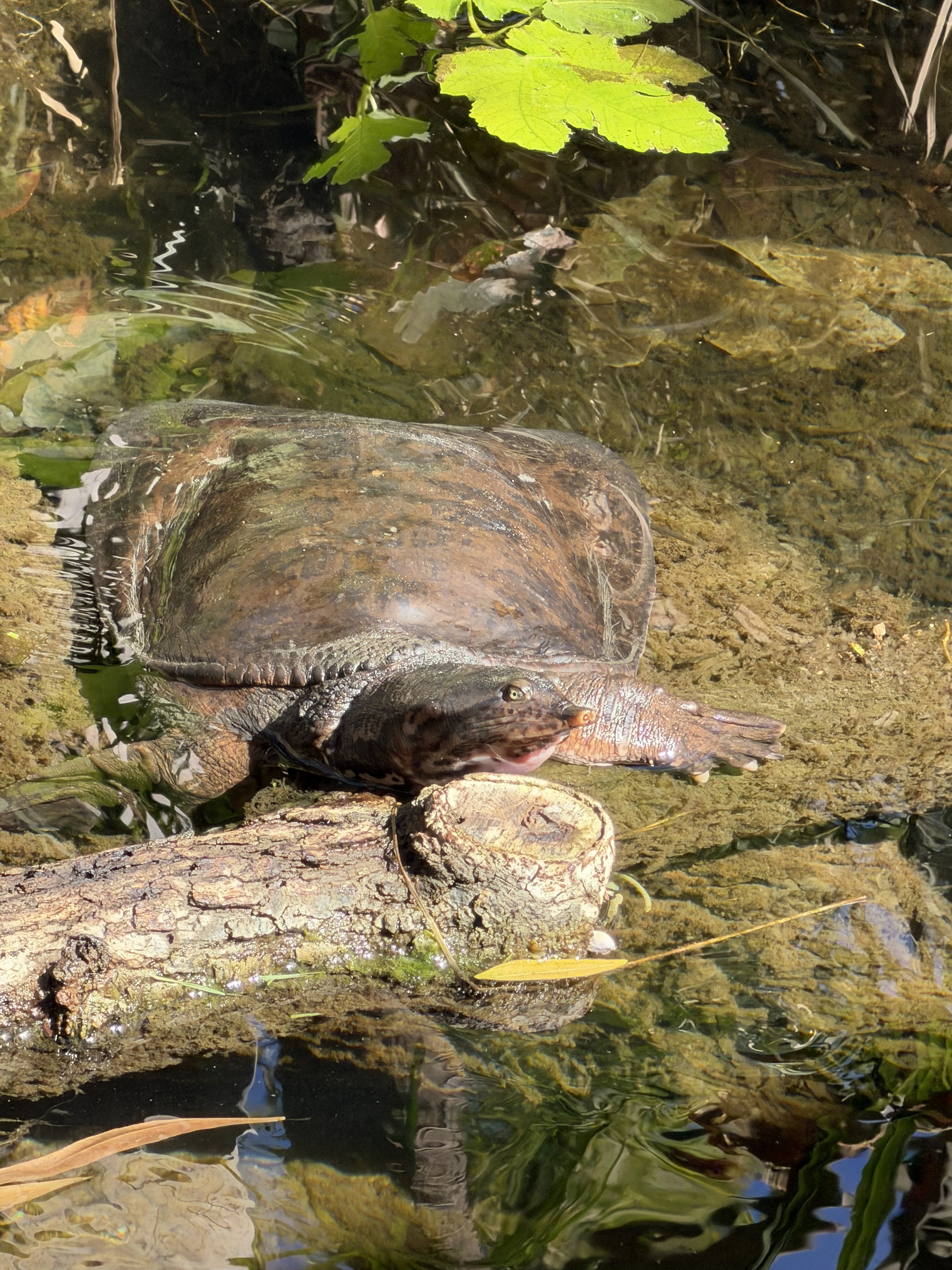
The Florida Softshell Turtle is a large turtle that looks like a dark brown pancake. They have whitish-cream plastrons and long dark brown necks with a tapering, snorkel-shaped snout, and small protruding eyes placed high on top of their forehead. Since they spend a considerable portion of time in the water, their high-placed eyes help them survey their surroundings as they rise to the surface. They have thick legs and large webbed feet. Although male and female Florida Softshell Turtles are similar in color, shape, and form, the females are considerably larger than the males and can measure from six to 30 inches in length and weigh from six to 15 pounds.
Diet
They are primarily carnivorous, feeding on aquatic insects and other invertebrates, fish, amphibians, and small turtles.
Habitat
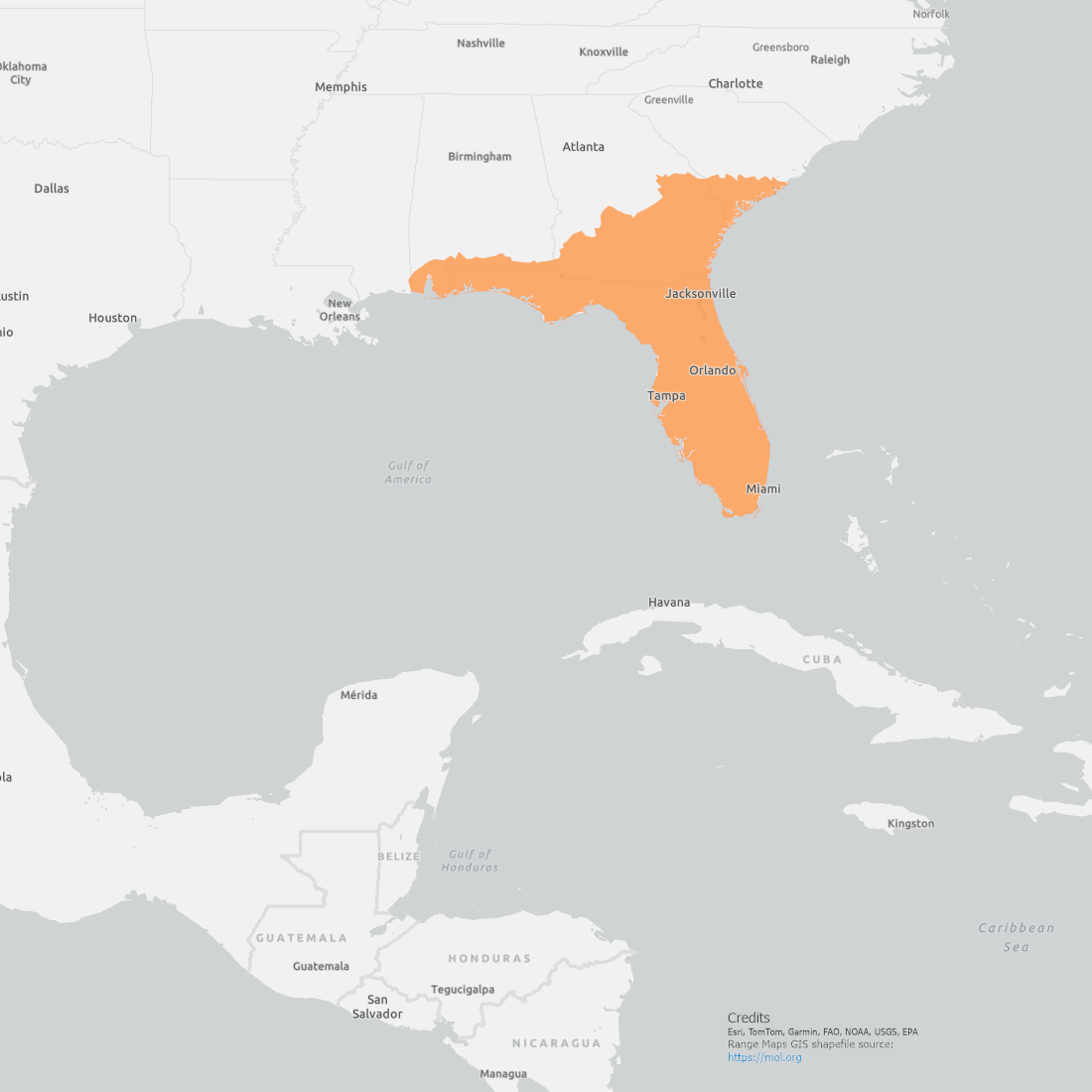
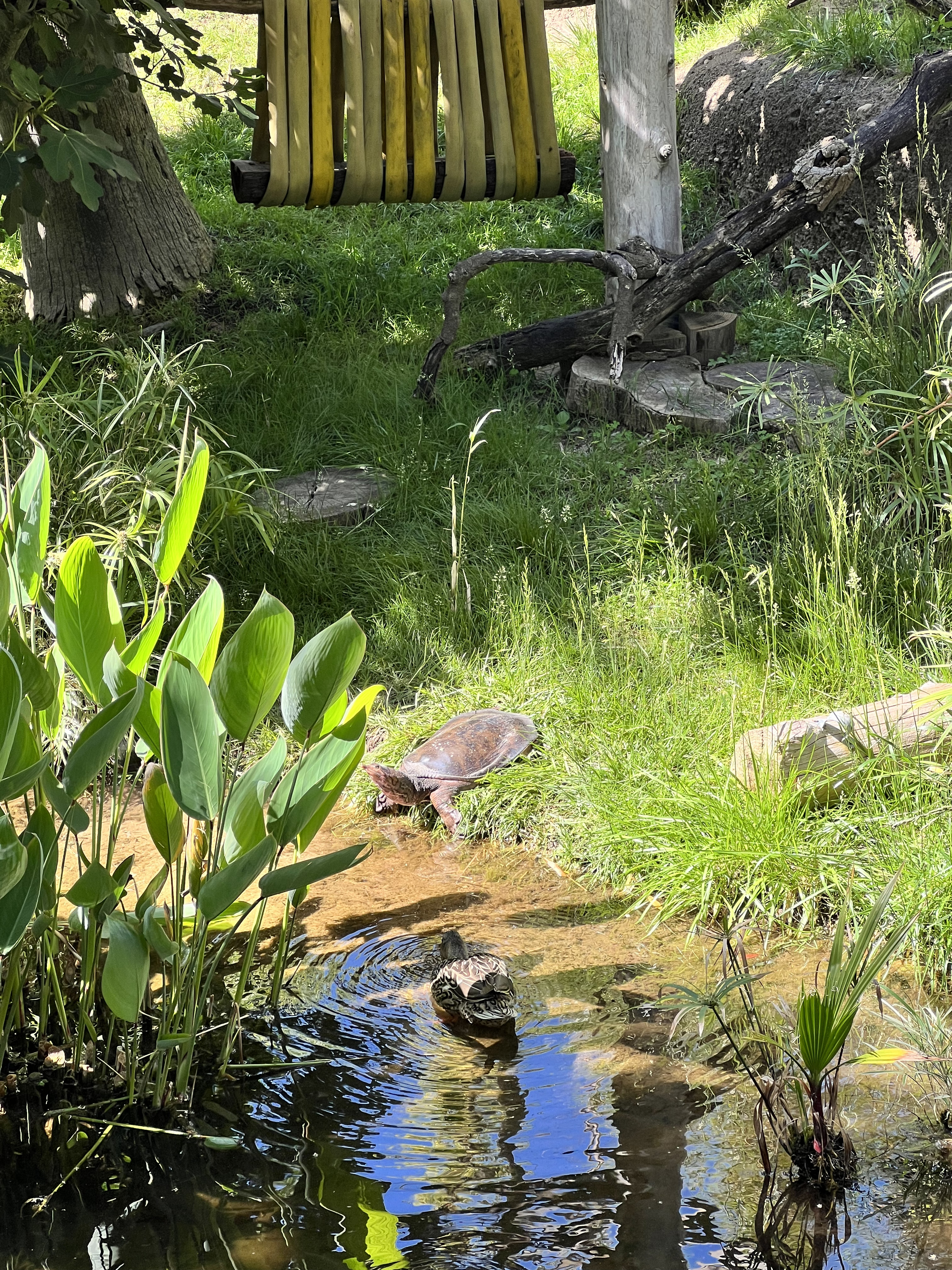
Florida Softshell Turtles are endemic to the Southeast United States (states of Florida, Alabama, Georgia, and South Carolina) along the Atlantic Coast. They live in freshwater and brackish water habitats that include rivers, streams, lakes, marshlands, swamps, and ponds.
Reproduction
Like other reptiles (and unlike mammals), Florida Softshell Turtles cannot thermoregulate. In the cold winter months, these turtles sink to the bottom of the water bodies they live in and slow down their activity levels to become almost dormant. This behavior is called brumation. When the climate starts warming up in spring, they emerge to bask in the sun. They are known to be aggressive and have been observed to snap at anything that gets within their range. Evidently, their scientific name &ldquo ferox” which means wild and ferocious reiterates these aggressive behaviors. They also have the unique habit of releasing a foul-smelling fluid to deter predators.
Breeding in Florida Softshell Turtles takes place from spring to summer. Breeding takes place in the water and the females come ashore to dig nests and lay their eggs. Females often use alligator’s nests and can lay up to 225 eggs in a breeding season. Parents do not incubate eggs or care for their young and hatchlings are independent from the time they have hatched heading directly toward a water body where they are less likely to be predated upon. While males sexually mature at two years of age despite their small size, sexual maturity in females is more variable and depends on the size of their plastron. They are known to be sexually mature between five and eight years of age.
Conservation
The most significant threat to wild
populations of the Florida Softshell turtle is their accidental
capture during commercial fishing practices. However, since the
overall effect of these threats has not been evaluated this far and
populations in the wild have not shown any sign of significant
decline, they have been categorized as Least Concern by the
International Union for World Conservation.