All about the radiated tortoise...
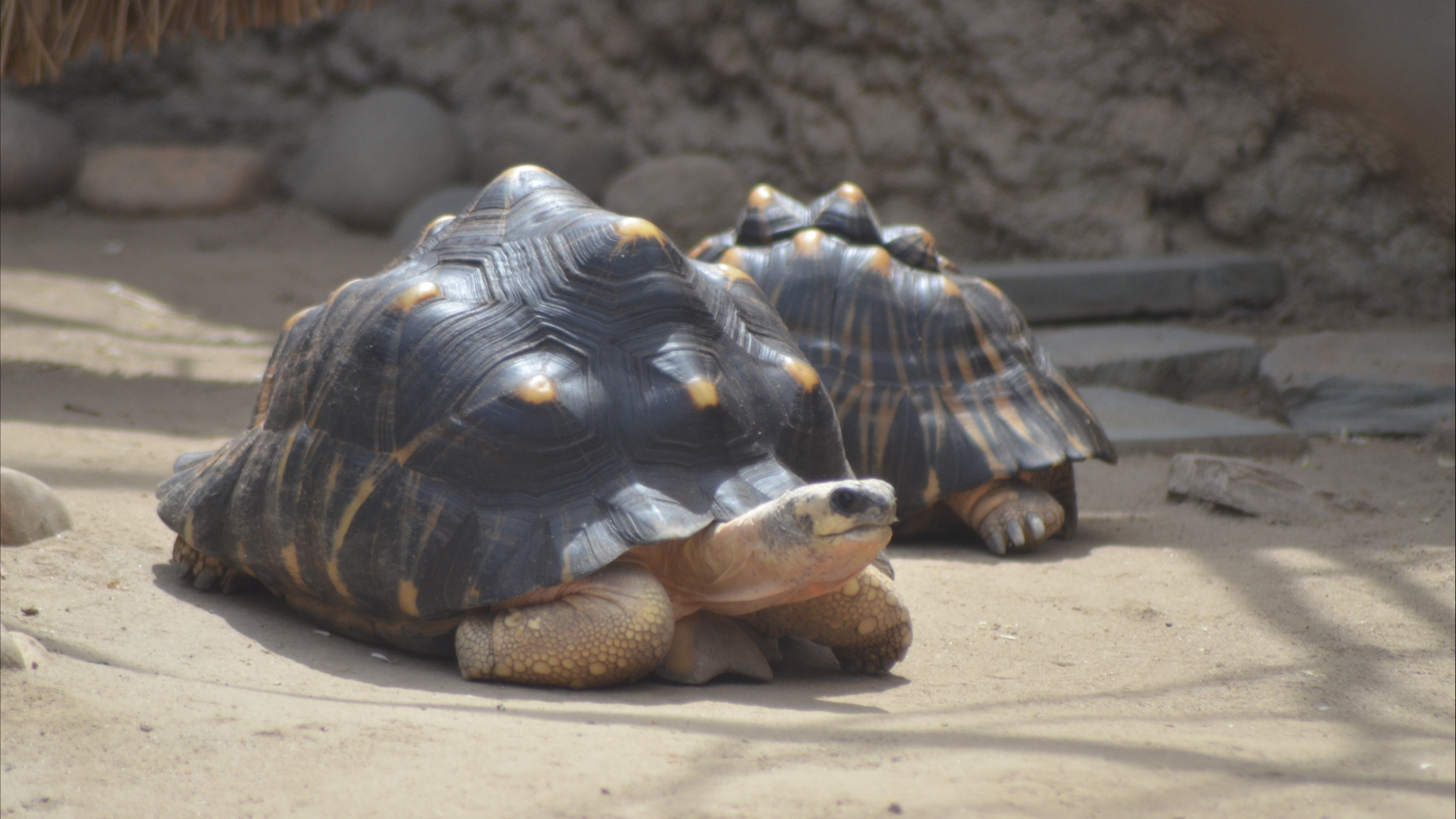
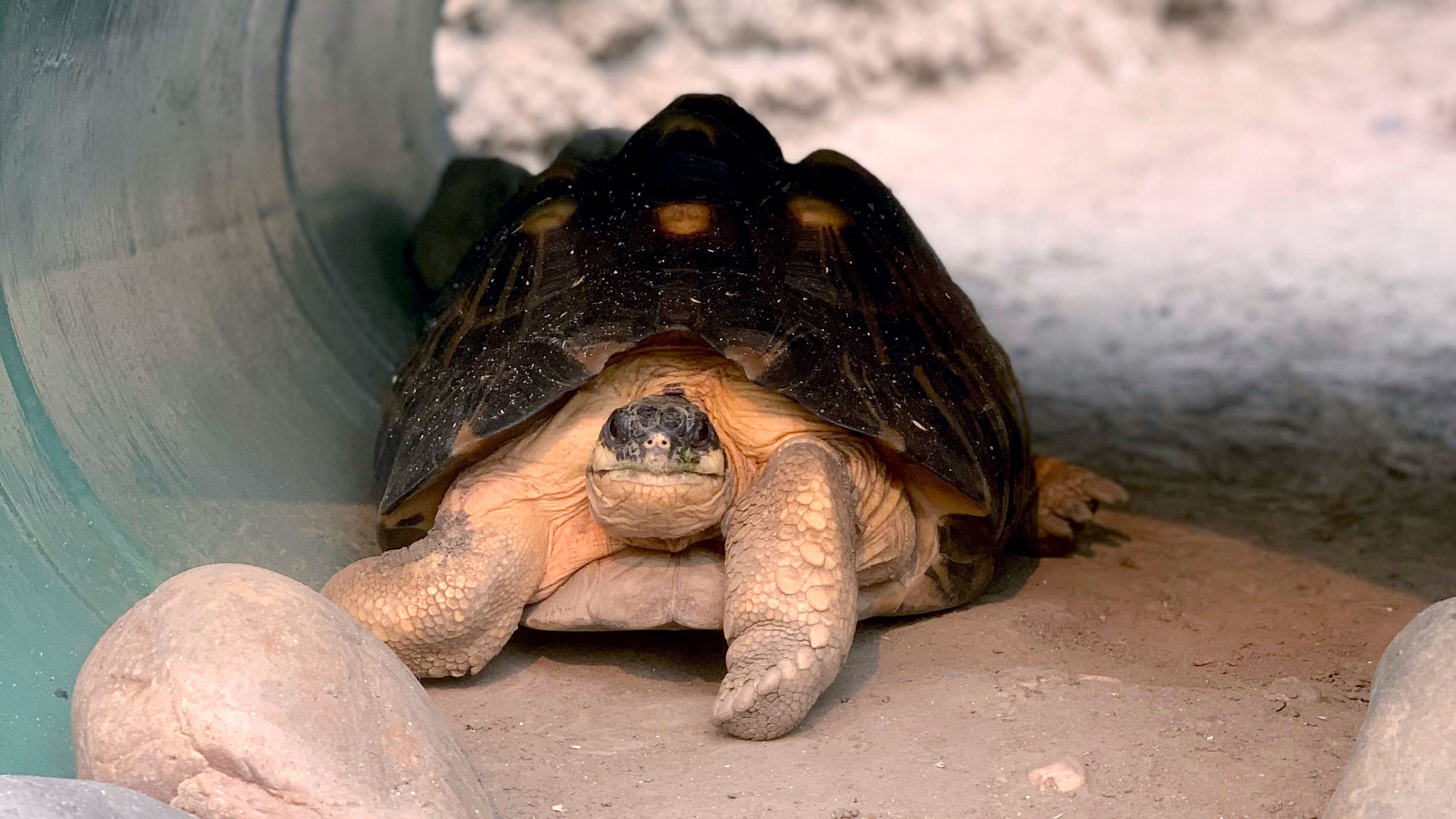
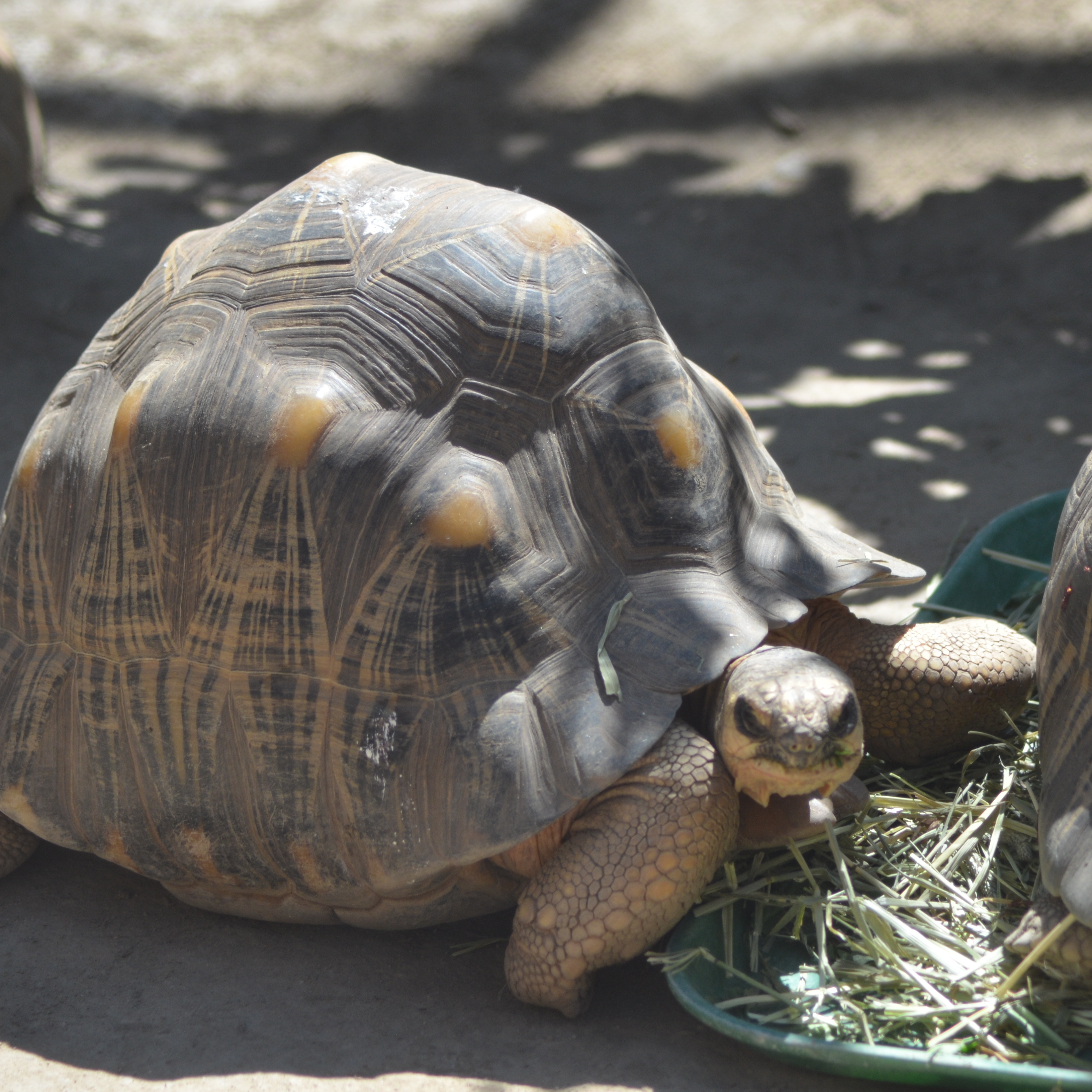
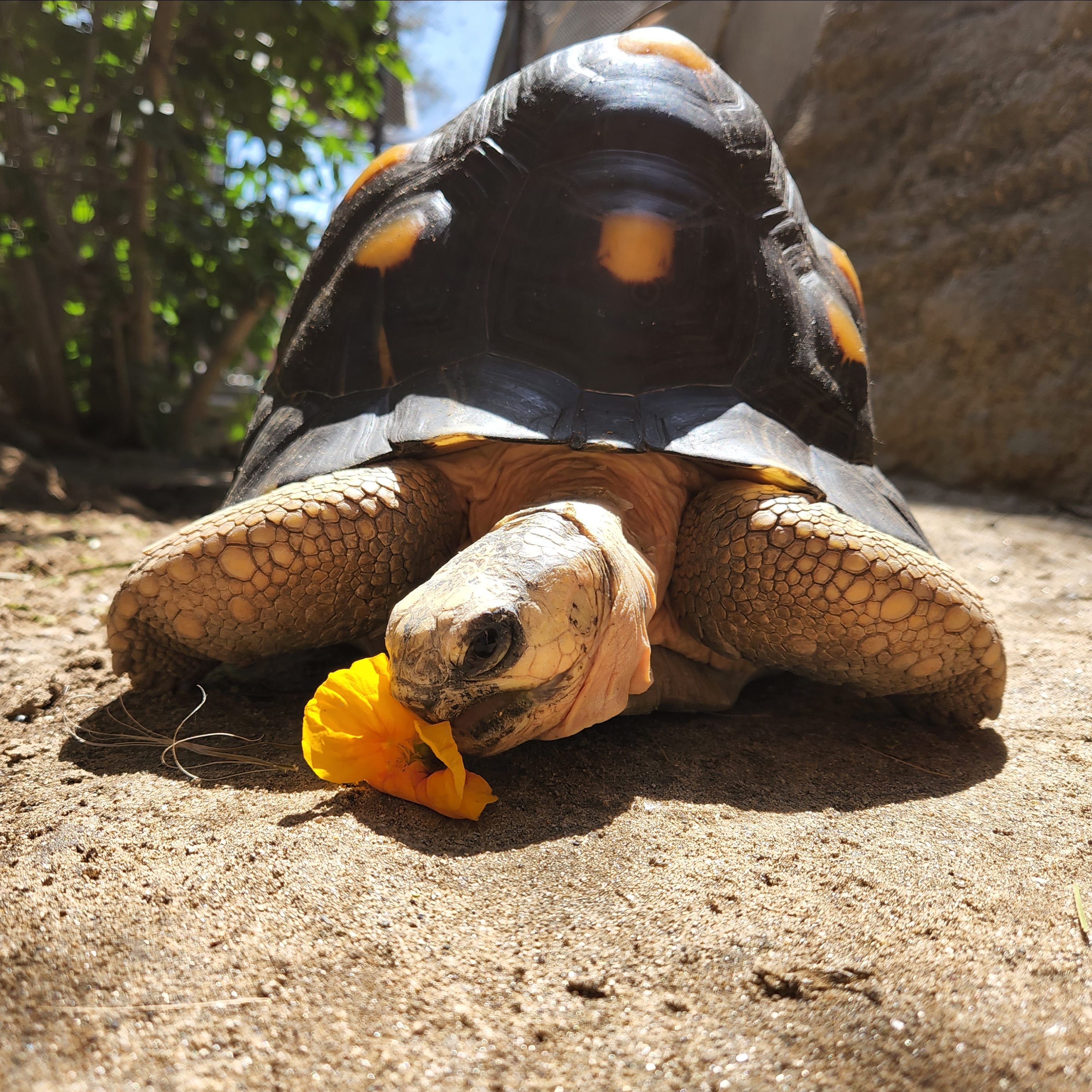
Radiated Tortoises are a species of tortoise with a hard shell that protects them from predators. Like other tortoises, they have blunt heads and well-developed elephantine feet. The legs, feet, and head are all yellow except for a black patch on top of the head. They have a high-domed, smooth, bright yellow carapace with brilliantly marked yellow lines radiating from the center of each dark plate in a star pattern, from where it gets its name. Their carapaces usually are around a foot and a half in length and they weigh around 30 to 35 pounds.
Diet
They are herbivores spending a considerable proportion of their time grazing. They mainly feed on grasses, fruits, cacti, and succulents.
Habitat
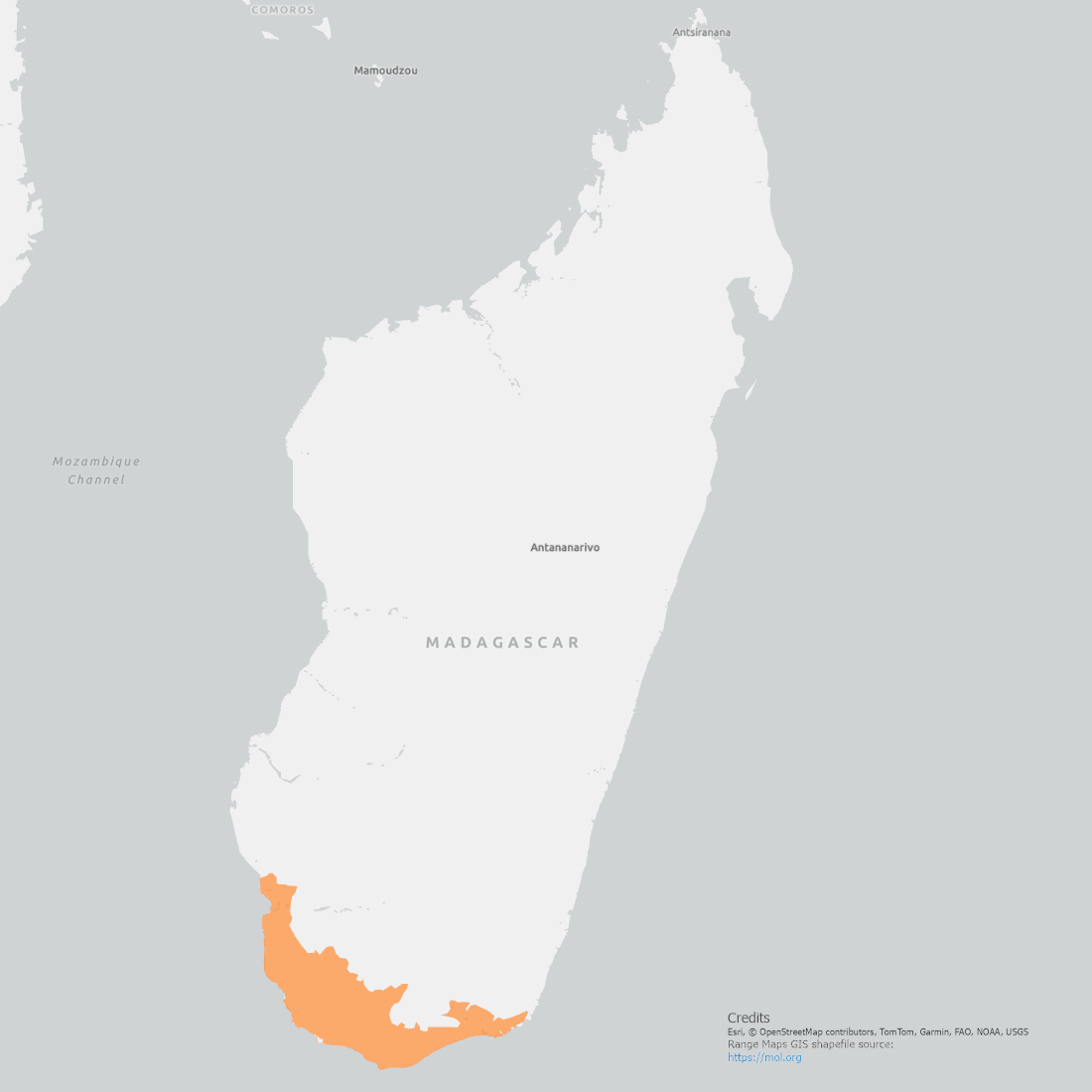
They are endemic to Madagascar.
Reproduction
Breeding in Radiated Tortoises takes place in early spring. Males exhibit courtship behaviors by bobbing their heads at females and are known to aggressively compete with other males for females during the breeding season, often trying to roll each other over. Females lay three to 12 eggs in a nest that they dig in the ground. These eggs are laid in spring and summer. Radiated tortoises do not incubate their young. Young start hatchling during the rainy season and have to fend for themselves.
Conservation
Radiated Tortoises are categorized as Critically Endangered by the World Conservation Union because of depleting population numbers mainly due to loss of habitat, collection for the international wildlife trade, and collection for utilization by the local community.
The Association of Zoos and Aquariums (AZA) is focused on conserving Radiated Tortoises through their Species Survival Plan (SSP). Zoos across the United States, Canada, and Mexico are involved in their program and several are selected to breed their Radiated Tortoises to increase their population in the zoo community. AZA’s SSP is also linked with other zoos globally and several individuals have been moved internationally to add new genes to increase genetic diversity. AZA also focuses on conserving these by being a part of the Wildlife Trafficking Alliance. Through this alliance, they work with their partners to reduce and eventually eliminate, the illegal trade of wildlife and wildlife products